3D Painting Tree for Canvas Wall Art
The integration of nature-inspired elements into interior design has become a significant trend, with 3D Painting Tree for Canvas Wall Art emerging as a distinct category within digital and physical decor. This specific style involves high-resolution digital files where tree imagery is rendered to create an illusion of depth, texture, and three-dimensional form. Unlike flat illustrations, these designs utilize lighting effects, shadow play, and layered brushwork to make the subject appear to protrude from or recede into the canvas surface. For individuals considering this option for their homes or commercial spaces, understanding the technical and aesthetic implications is essential for making an informed decision.
Understanding the Aesthetic and Technical Foundation
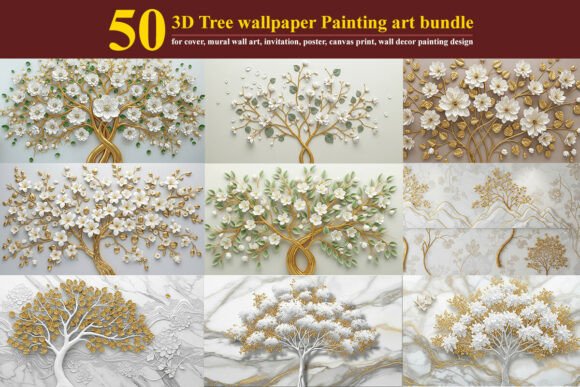
At its core, 3D Painting Tree art relies on sophisticated digital rendering techniques that mimic traditional oil or acrylic painting while enhancing spatial perception. The collection typically consists of premium-grade JPG files curated for superior resolution, ensuring that when printed on canvas, the intricate details remain sharp. The visual appeal lies in the "harmonious marriage" of artistic allure and contemporary decor styles. These pieces are not merely photographs of trees; they are stylized interpretations that emphasize texture and volume.
When evaluating this type of wall art, it is important to recognize that the "3D" effect is optical. It depends heavily on the printing quality and the tension of the canvas frame. A well-executed print will show gradients and highlights that trick the eye into perceiving depth, whereas a lower-quality reproduction may result in a muddy or flat appearance that fails to deliver the intended impact. The success of the artwork often hinges on the fidelity of the source file and the capabilities of the printing service used.
Reasons to Consider This Decor Option
There are several practical reasons why someone might choose 3D Painting Tree for Canvas Wall Art over other decorative options. First, the psychological impact of bringing nature indoors is well-documented. Biophilic design principles suggest that exposure to natural forms can reduce stress and improve cognitive function. The textured, lifelike quality of 3D tree art amplifies this effect compared to abstract or geometric patterns.
Secondly, versatility is a key driver. These designs are engineered to fit various environments, ranging from modern minimalist apartments to traditional office settings. The neutral yet rich tones often found in these artworks allow them to blend seamlessly with diverse color palettes. Whether the goal is to create a serene ambiance in a bedroom or add a focal point to a hotel lobby, the adaptability of the tree motif provides a safe yet striking choice.
Furthermore, for those involved in renovation projects or creative design applications, the availability of digital bundles offers flexibility. Having access to multiple high-resolution files allows designers to experiment with different compositions, sizes, and arrangements before committing to a final print. This reduces the risk of purchasing a single piece that does not align with the space's dimensions or lighting conditions.
Benefits and Tradeoffs
One of the primary benefits of this collection is the potential for cost-effectiveness. Purchasing a bundle of digital files allows users to print only what they need, potentially at a lower cost than buying pre-framed, gallery-wrapped canvases individually. Additionally, the ability to customize the size means the art can be tailored to fit awkward wall spaces or large feature walls without distortion.
However, there are tradeoffs to consider. The reliance on digital files shifts the responsibility of quality control to the buyer. If the user lacks experience with print-on-demand services or local printers, they may encounter issues with color calibration, ink bleed, or canvas texture mismatch. A design that looks vibrant on a monitor may appear dull if printed on low-quality material.
Another consideration is the maintenance of the illusion. 3D effects are highly dependent on lighting. In a room with poor or inconsistent lighting, the depth cues provided by the artwork may be lost, causing the image to look flat. Conversely, harsh direct light might create glare on the canvas surface, obscuring the fine details of the painted textures. Users must evaluate their existing lighting conditions before selecting specific pieces.
Situations Where This Art Shines
3D Painting Tree for Canvas Wall Art is particularly effective in spaces where a calming atmosphere is desired. Living rooms, bedrooms, and meditation areas benefit significantly from the organic shapes and earthy tones inherent in these designs. The visual complexity of the tree structures invites prolonged viewing, which can contribute to a sense of tranquility.
In commercial settings such as hotels, cafés, and corporate offices, these artworks serve as excellent conversation starters and mood setters. They provide a level of sophistication that elevates the perceived value of the environment without requiring expensive custom commissions. The ability to scale the images allows for large-format prints that dominate a wall, creating a dramatic entrance or a soothing backdrop for workspaces.
For interior designers working on renovations, the variety within a collection of 50 distinct designs offers a strategic advantage. It allows for the creation of cohesive galleries or accent walls that tell a visual story, moving beyond a single isolated piece to a curated installation.
When Alternatives May Be Preferable
Despite its advantages, this style may not be the optimal choice for every situation. In spaces with very limited wall space or small furniture, large-scale 3D tree art might feel overwhelming or cluttered. In such cases, smaller framed prints or minimalist line drawings could be more appropriate.
Additionally, if the interior design theme is strictly industrial, ultra-modern, or avant-garde, the organic, painterly nature of tree art might clash with the hard lines and synthetic materials of the room. In these scenarios, abstract geometric art or monochromatic photography might align better with the overall aesthetic vision.
Users who prioritize tactile interaction over visual illusion might also prefer physical sculptures or woven textiles. While 3D painting creates a visual depth, it remains a two-dimensional surface. If the goal is to introduce actual texture and physical dimensionality to a room, wall hangings made of wood, metal, or fabric would offer a more tangible experience.
Practical Decision-Making Insights
To determine if this collection aligns with your goals, begin by assessing the specific needs of your space. Measure the available wall area and consider the existing color scheme. Ask yourself whether you are seeking a focal point or background interest. If the answer is a focal point, the depth and detail of 3D tree art are likely a strong match.
Next, evaluate your technical comfort level. Are you prepared to manage the printing process? If so, ensure you select a printer that specializes in canvas art and offers high-resolution output (typically 300 DPI or higher). Requesting a small sample print before committing to a large format is a prudent step to verify color accuracy and texture.
Finally, consider the longevity of the design. Trends in interior decor shift, but nature-inspired art generally retains its appeal. However, the specific style of "3D painting" may date faster than classic landscape photography or traditional oil paintings. If you plan to keep the decor for decades, weigh the current popularity against timeless aesthetics.
In conclusion, 3D Painting Tree for Canvas Wall Art offers a compelling blend of visual depth and natural elegance. By understanding the requirements for proper display, the nuances of digital-to-print conversion, and the specific atmospheric effects these pieces create, buyers can make a confident choice. Whether for personal sanctuary or professional enhancement, the decision ultimately rests on how well the artwork supports the intended function and feeling of the space.