3D Sustainable Valentine Heart Confetti: A Practical Guide to Eco-Friendly Celebrations
The landscape of event decoration is shifting away from single-use plastics and toward materials that offer longevity without sacrificing aesthetics. Among the emerging solutions, 3D Sustainable Valentine Heart Confetti stands out as a versatile option for those seeking durability and environmental responsibility. Unlike traditional paper or plastic confetti that creates immediate waste, this 3D printable design offers a reusable alternative with a distinct tactile presence. For adults planning Valentine's Day events, weddings, or anniversaries, understanding the mechanics, benefits, and limitations of this format is essential for making an informed decision.
Defining the 3D Printable Heart Design
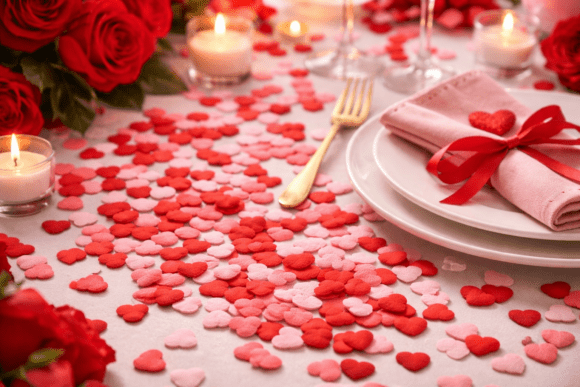
3D Sustainable Valentine Heart Confetti refers to a specific class of decorative elements created through additive manufacturing. The design features a heart shape with a thickness of approximately 2 mm and a height of roughly 2 cm. These dimensions provide enough volume to create a three-dimensional effect on tables or in centerpieces while maintaining a lightweight profile suitable for scattering. The "sustainable" aspect of the label stems from two primary factors: the material composition, typically biodegradable filaments or durable recyclable plastics, and the reusability of the final product.
What distinguishes this design from flat alternatives is its structural integrity. Because it is printed in layers, the resulting object possesses a rigidity that paper lacks. This allows the confetti to stand upright when arranged in clusters or lie flat without curling or tearing easily. The design is fully scalable, meaning users can adjust the size parameters before printing to suit specific spatial requirements, whether for a small intimate dinner or a large banquet hall. Furthermore, the print file is optimized to be support-free, eliminating the need for additional support structures that often generate extra waste during the printing process.
Comparative Analysis: 3D Printed vs. Traditional Confetti
When evaluating decoration options, it is crucial to compare 3D Sustainable Valentine Heart Confetti against conventional choices like paper, foil, or standard plastic confetti. Each category serves different needs, but the tradeoffs regarding sustainability and utility are significant.
- Durability and Reusability: Traditional paper confetti is fragile and often discarded after a single use. It tears easily and cannot withstand cleaning. In contrast, 3D printed hearts made from PLA or PETG can be swept up, cleaned, and stored for future events. This shifts the cost model from recurring purchases to a one-time investment in time and material.
- Environmental Impact: While paper is biodegradable, it contributes to landfill volume if not composted properly. Plastic confetti is notoriously difficult to clean and poses microplastic risks. 3D sustainable options mitigate this by using durable plastics that do not degrade into micro-particles quickly and can be recycled at end-of-life or reused indefinitely.
- Aesthetic Depth: Flat confetti relies on color and pattern for visual interest. The 3D variant adds physical depth and shadow play, creating a more dynamic visual texture on table settings. The 2 cm height allows light to interact with the curves of the heart, offering a premium look that flat alternatives struggle to achieve.
However, the comparison is not one-sided. Paper confetti offers a lower barrier to entry; it requires no equipment and is instantly available. For a user without access to a 3D printer or a local print service, the convenience of paper may outweigh the long-term benefits of 3D printed options.
Evaluation of Printing Specifications and Constraints
To utilize 3D Sustainable Valentine Heart Confetti effectively, one must understand the technical specifications involved. The design is engineered to be printed in either one or two colors, such as red and pink, which are staples for romantic themes. Printing in two colors typically requires dual-extrusion printers or a manual filament change mid-print. While dual-color printing enhances the romantic aesthetic, it increases print time and complexity. For high-volume production, single-color prints followed by painting or mixing batches of different colors may be a more efficient workflow.
The 2 mm thickness is a critical specification. If the walls were thinner, the hearts might become too brittle or prone to warping during the cooling phase. If they were thicker, the material usage would increase unnecessarily, raising costs and print times. This balance ensures the hearts are sturdy enough to handle but light enough to scatter without causing damage to flooring or furniture.
One limitation to consider is the initial setup. Unlike buying a bag of confetti, 3D printing requires access to hardware, software (slicers), and filament. For individuals who do not own a printer, the time required to source a local maker space or order a batch from a service provider must be factored into the planning timeline. Additionally, while the design is support-free, overhangs or specific layer orientations could still require careful calibration to ensure the smoothest surface finish.
Best-Fit Scenarios and Use Cases
The versatility of 3D Sustainable Valentine Heart Confetti makes it suitable for a variety of events, but it excels in specific contexts where durability and style are paramount.
Table Decorations and Centerpieces
For weddings and anniversaries, these hearts function exceptionally well as part of a centerpiece arrangement. Their ability to stand upright allows them to be placed within glass vases, surrounded by candles, or nestled among greenery. Because they are plastic-based and durable, they can remain on the table throughout a multi-course meal without degrading, unlike paper petals that might wilt or crumble near food.
Reusable Party Styling
Event planners and venue owners who host multiple celebrations benefit significantly from this format. A bulk order of 3D printed hearts can serve as a permanent inventory item. After a Valentine's Day event, the confetti can be collected, sanitized, and redeployed for a spring wedding or a corporate anniversary party. This reusability drastically reduces the per-event cost over time.
Photography and Staging
The three-dimensional nature of the hearts provides excellent props for photography. They catch light differently than flat surfaces, adding texture to photoshoots. The consistent size and shape ensure uniformity in staged shots, which is often difficult to achieve with hand-cut paper decorations.
Decision Factors: When to Choose Alternatives
While 3D Sustainable Valentine Heart Confetti offers distinct advantages, it is not the optimal choice for every situation. Readers should consider alternative options based on their specific constraints.
- Budget Constraints: If the budget is extremely tight and there is no access to existing 3D printing infrastructure, the upfront cost of filament and electricity (or service fees) may exceed the cost of a simple paper pack. In such cases, biodegradable paper confetti remains a viable, low-cost alternative.
- Time Sensitivity: 3D printing is a time-consuming process. Printing hundreds of hearts can take days depending on the speed of the machine. If an event is imminent and there is no pre-existing stock, ordering custom 3D prints may result in shipping delays. Instant availability favors mass-produced commercial options.
- Outdoor Events: While durable, 3D printed plastic confetti can be heavier than paper. In windy outdoor conditions, they may not disperse as easily or float as gracefully. For wind-swept garden parties, lighter materials might be preferred for the "confetti explosion" effect.
- Strict Biodegradability Requirements: Some venues have strict policies requiring all decor to be fully compostable on-site. While PLA (a common 3D printing material) is biodegradable under industrial composting conditions, it does not break down quickly in home compost bins or natural environments compared to untreated paper. If the venue mandates rapid decomposition, paper is the safer compliance choice.
Conclusion on Selection Strategy
Selecting the right decoration involves balancing aesthetics, logistics, and environmental values. 3D Sustainable Valentine Heart Confetti represents a middle ground between the disposability of traditional confetti and the permanence of hard decor. It offers a unique blend of romantic styling and practical longevity. For those willing to invest the time or resources to produce or acquire these items, the return on investment comes in the form of reduced waste and enhanced visual appeal.
Ultimately, the decision rests on the specific needs of the event. If the goal is a one-off, low-effort celebration, traditional options may suffice. However, for repeatable events, high-end styling, or a commitment to reducing single-use waste, the scalable, durable nature of 3D printed hearts provides a compelling solution. By understanding the tradeoffs between print time, material costs, and long-term utility, planners can make a choice that aligns with both their creative vision and their sustainability goals.