Brain Magnet: A Cute Kawaii Design for Mental Health Awareness and Neurodiversity
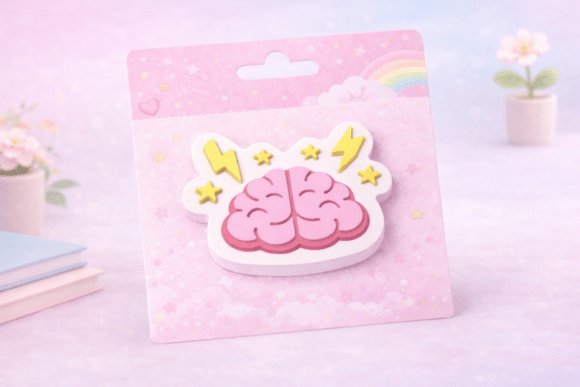
In the vast landscape of mental health advocacy, the way we present our message is just as important as the message itself. For years, awareness campaigns have relied on serious imagery and clinical language. While necessary, this approach can sometimes feel distant or intimidating to those who need support the most. Enter the Brain Magnet - Mental Health Magnet, a delightful fusion of 3D printing technology, kawaii aesthetics, and profound psychological significance. This small yet powerful object represents a shift in how we talk about neurodiversity, autism, ADHD, and general mental well-being.
At first glance, it might seem like just another cute decoration for your fridge or whiteboard. However, this adorable brain-shaped magnet carries a deeper purpose. It serves as a gentle conversation starter, a symbol of acceptance, and a tangible reminder that our minds are unique, valuable, and worthy of care. Whether you are a parent looking for a supportive gift, an educator creating an inclusive classroom, or simply someone who loves adding personality to their workspace, understanding the value of this design can transform how you view mental health representation in your daily life.
The Intersection of Kawaii Culture and Mental Health Advocacy
To truly appreciate the Brain Magnet, one must understand the power of "kawaii" culture. Originating in Japan, the term translates roughly to "cute," but its cultural impact goes far beyond simple aesthetics. Kawaii is a philosophy that emphasizes innocence, warmth, and approachability. When applied to heavy topics like mental health, it acts as a bridge, making difficult subjects feel less daunting and more manageable.
Traditional symbols of mental health often involve ribbons, medical crosses, or somber faces. While these serve an important function, they can inadvertently create a barrier. The kawaii brain magnet breaks down that barrier. By presenting the human brain—a complex organ associated with anxiety, depression, and cognitive differences—in a soft, friendly, and rounded style, it invites curiosity rather than fear. It suggests that having a different way of thinking is not something to be hidden away, but something to be celebrated with a smile.
This approach is particularly effective for children and young adults who may struggle to articulate their feelings. A cute magnet on a locker or desk can signal safety and understanding without requiring a single word to be spoken. It creates a visual language of empathy that transcends age groups, making it a versatile tool for modern mental health discourse.
Celebrating Neurodiversity: Autism, ADHD, and Beyond
One of the most significant aspects of this design is its subtle yet powerful representation of neurodiversity. Neurodiversity is the concept that neurological differences, such as Autism Spectrum Disorder (ASD) and Attention Deficit Hyperactivity Disorder (ADHD), are natural variations of the human genome rather than defects to be cured. The Brain Magnet embodies this philosophy perfectly.
A Symbol for the Autistic Community
For many on the autism spectrum, the world can feel overwhelming due to sensory sensitivities and social complexities. The soft lines and friendly expression of the kawaii brain offer a sense of comfort. It acknowledges the autistic experience without stereotyping it. Instead of focusing on challenges, the design highlights the beauty of the autistic mind. It stands as a beacon of pride, reminding individuals that their unique perspective is a strength.
Supporting Those with ADHD
Similarly, for individuals with ADHD, whose brains often race with ideas and energy, this magnet serves as a grounding tool. Placing it on a whiteboard or desk can act as a gentle anchor, a reminder to pause and breathe. The playful nature of the design aligns well with the creative and energetic spirit often found in the ADHD community, validating their experiences in a fun and non-judgmental way.
By combining these elements into a single 3D printable model, the design fosters a broader understanding of mental health. It moves the conversation from "what is wrong with you?" to "how does your wonderful brain work?" This shift in perspective is crucial for building inclusive communities in schools, workplaces, and homes.
Practical Applications: From Home Decor to Educational Tools
The versatility of the Brain Magnet makes it suitable for a wide range of environments. Its compact size and functional design allow it to integrate seamlessly into daily routines, serving both decorative and practical purposes.
- The Modern Workspace: In professional settings, mental health stigma is slowly fading, but it still exists. Having a cute brain magnet on your office cubicle or meeting room whiteboard can subtly signal that you prioritize well-being. It encourages open dialogue among colleagues and can make a workplace feel more psychologically safe.
- Educational Environments: Teachers and school counselors can use these magnets to decorate bulletin boards or student desks. They serve as excellent visual aids when discussing emotional regulation, brain science, or inclusivity. For students who feel isolated, seeing a symbol of neurodiversity represented so positively can be incredibly affirming.
- Home Decoration: At home, the magnet adds a touch of personality to the kitchen fridge or a family command center. It transforms a mundane surface into a space of warmth and meaning. It’s a perfect spot to pin notes about self-care, gratitude lists, or reminders to take a break.
- Gift Giving: Perhaps the most heartwarming application is as a gift. Unlike generic items, a Brain Magnet shows thoughtfulness. It tells the recipient, "I see you, I understand you, and I celebrate your mind." Whether for a birthday, graduation, or just because, it is a meaningful token of support.
The Magic of 3D Printing: Customization and Scalability
What truly sets the Brain Magnet apart is its nature as a 3D printable design. This technological aspect opens up a world of possibilities that mass-produced items cannot match. 3D printing allows for incredible customization, ensuring that the final product fits the user's specific needs and aesthetic preferences.
Color and Scale Freedom
With traditional manufacturing, you are limited to the colors and sizes offered by the factory. With a 3D printer, the sky is the limit. You can print the brain in calming pastels like soft blue or lavender, vibrant neons to boost energy, or even multi-color gradients that represent the complexity of the mind. Furthermore, the design is scalable. Need a tiny charm for a keychain? Print it small. Want a large statement piece for a community center wall? Scale it up significantly without losing detail.
The Built-in Magnet Slot Feature
A common challenge with 3D printed magnets is attaching the magnetic element securely. The Brain Magnet design solves this elegantly with a built-in slot specifically engineered for standard round magnets. The specifications are precise: a 10 mm diameter × 1.9 mm depth slot. This ensures a snug fit for most standard rare-earth magnets available at craft stores or online.
- Easy Assembly: Users simply print the model, insert the magnet into the designated slot, and the job is done. No glue is required, making it clean and mess-free.
- Durability: Because the magnet is held within the structure rather than glued to the surface, it is less likely to fall off or damage the print over time.
- Accessibility: This design empowers makers of all skill levels. Even beginners can achieve a professional-looking result, making mental health advocacy accessible to hobbyists and community organizers alike.
Dispelling Misconceptions About Cute Mental Health Symbols
Despite the growing popularity of kawaii mental health items, there are occasional misunderstandings. Some critics argue that making mental health "cute" trivializes the seriousness of conditions like depression or severe anxiety. It is important to address this nuance.
While it is true that mental illness is serious and often requires professional treatment, the way we represent support does not have to be grim. The Brain Magnet is not a cure; it is a symbol of solidarity. Just as a teddy bear does not cure a broken leg but provides comfort during recovery, a cute brain magnet does not fix a chemical imbalance but offers a moment of joy and connection.
Furthermore, for many people, especially children, the "scary" or "clinical" side of mental health can prevent them from seeking help. By using approachable, friendly imagery, we lower the threshold for engagement. We invite people in before asking them to confront the hard parts. This strategy is known as "meeting people where they are," and it is a cornerstone of effective mental health outreach.
Conclusion: A Small Magnet with a Big Impact
The Brain Magnet - Mental Health Magnet is more than just a 3D printable file; it is a movement toward a kinder, more understanding world. By blending the cuteness of kawaii culture with the vital message of neurodiversity, it creates a unique space for healing and celebration. Whether you are printing it yourself to customize the colors, buying one as a thoughtful gift, or displaying it in your classroom, you are participating in a larger conversation about the value of every mind.
In a world that often demands we be "normal" or "fixed," this little magnet reminds us that our brains are beautiful exactly as they are. It turns a cold metal surface into a warm invitation to connect. So, why not add a playful and meaningful touch to your space today? Let the kawaii brain be your daily reminder to embrace neurodiversity, support mental health, and celebrate the incredible complexity of the human mind. 💛🧠