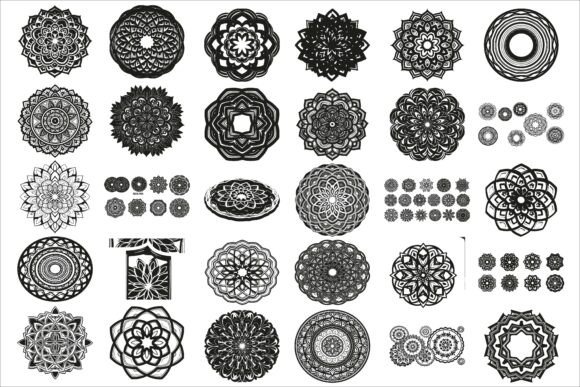
Intricate 3D Layered Mandala Design
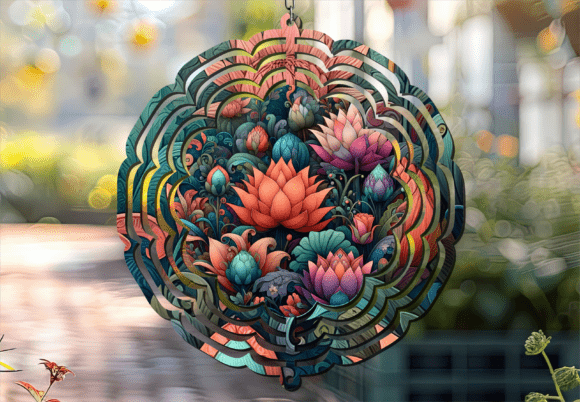
There is a distinct difference between a flat pattern and a piece of art that commands space. When you introduce depth to a geometric form, it transforms from a simple image into an immersive experience. This is the essence of the Intricate 3D Layered Mandala Design. Unlike traditional single-layer prints, these designs utilize multiple strata to create shadows, dimension, and visual rhythm. Whether you are a professional crafter looking to expand your product line or a homeowner seeking unique spiritual accents, understanding the mechanics and potential of layered mandalas can elevate your creative output significantly.
The Art of Depth: Why Layering Matters
The primary appeal of a layered mandala lies in its ability to manipulate light and shadow. By stacking concentric rings of intricate geometry, each layer casts a subtle shadow on the one beneath it. This optical effect creates a sense of movement and complexity that a two-dimensional print simply cannot achieve. The result is a mandala shadow box svg or physical creation that feels alive, drawing the eye inward toward the center.
For those familiar with sacred geometry, this depth adds a meditative quality. The process of viewing the layers encourages focus and mindfulness, making these pieces ideal for meditation art and zen wall decor. In a digital context, this translates to high-quality files where every cut path is optimized for precision. A well-constructed Intricate 3D Layered Mandala Design ensures that when you separate the layers, they nest perfectly, maintaining the integrity of the overall composition.
Technical Specifications and File Versatility
One of the most critical aspects of working with complex vector art is file compatibility. Modern crafting ecosystems rely on specific formats to ensure clean cuts and sharp prints. A robust design pack should offer a comprehensive suite of files, including SVG, DXF, EPS, PNG, JPG, AI, and PDF. This variety ensures that the design is accessible regardless of the software or hardware you use.
- SVG and DXF: Essential for cutting machines like Cricut and Silhouette Cameo. These vector formats allow for infinite scaling without losing resolution, which is vital for large-scale laser cut mandala design projects.
- EPS and AI: Preferred by professional graphic designers and laser engravers who need to edit paths, adjust line weights, or integrate the mandala into larger commercial layouts.
- PNG and JPG: Ideal for quick previews, social media marketing, or printable templates for paper craft mandala enthusiasts who prefer to trace or cut manually.
When evaluating a mandala layered template, check that the layers are clearly separated and organized. A "clean multi-layer layout" means you won't spend hours untangling overlapping nodes or fixing stray lines before your first cut. Efficiency in file preparation directly impacts your productivity, allowing you to move faster from concept to finished product.
Applications Across Crafting and Professional Environments
The versatility of these designs extends far beyond personal hobbies. They serve as powerful tools for entrepreneurs, educators, and interior designers alike.
Laser Cutting and Woodworking
For makers utilizing CO2 or diode lasers, the Intricate 3D Layered Mandala Design offers endless possibilities. Imagine creating a laser cut mandala box where the lid features a floating geometric flower, or constructing a series of nested wooden discs that interlock to form a decorative sculpture. The precision of laser cutting allows for delicate filigree work that would be impossible with manual tools. These pieces often command higher price points in boutique markets due to their perceived craftsmanship and time-intensive nature.
Shadow Boxes and Wall Decor
Transforming a living space often requires more than just a painting; it needs texture. Layered paper or acrylic mandalas placed inside deep shadow boxes create stunning mandala depth artwork. The interplay of light hitting the different planes adds a dynamic element to static walls. This approach is particularly effective for boho mandala decor styles, where organic shapes meet structured geometry. Homeowners and interior decorators frequently seek these items to add a focal point to meditation rooms, yoga studios, or entryways.
Digital Products and Printables
In the digital economy, selling the files themselves is a lucrative venture. Creators can package these designs as printable mandala art or mandala decor bundles for other DIYers. Because the files are scalable, customers can print them at any size, from small ornaments to massive wall installations. The inclusion of multiple formats (AI, PDF, SVG) increases the value proposition, catering to both casual hobbyists and professional printers.
Strategic Benefits for Creators and Businesses
Integrating Intricate 3D Layered Mandala Design into your workflow offers tangible benefits regarding branding and engagement. Geometric patterns are universally recognized symbols of balance and harmony. Using them in your brand identity or product line can subconsciously communicate stability and thoughtfulness to your audience.
Furthermore, the visual impact of 3D layered art drives engagement on social platforms. Photos of layered paper mandala creations tend to perform exceptionally well on Instagram and Pinterest because the depth creates intrigue. Viewers pause longer to understand how the layers interact, increasing dwell time and the likelihood of shares. For business owners, this organic reach is invaluable. It turns a simple craft project into a shareable moment that builds community around your brand.
From a production standpoint, having a library of pre-designed, tested templates saves significant time. Instead of drafting complex geometry from scratch, you can focus on material selection, finishing techniques, and packaging. This efficiency allows you to scale your operations, whether you are running a small Etsy shop or fulfilling bulk orders for corporate events.
Practical Considerations for Implementation
While the potential is vast, successful execution requires attention to detail. When selecting materials for your mandala laser cut pack or paper crafts, consider the thickness and opacity. Thicker cardstock or wood veneer will cast deeper shadows but may require slower cutting speeds. Conversely, thin acetate or vellum creates a softer, ethereal glow when backlit, perfect for modern mandala frame svg projects.
Adhesion is another critical factor. For permanent installations like spiritual home accents, standard glue dots may not suffice. Double-sided foam tape or specialized adhesives help maintain the separation between layers, preserving the 3D effect over time. If you are designing for a mandala gift frame, ensure the backing board is sturdy enough to support the weight of multiple stacked layers without warping.
Finally, always test your design on a scrap material before committing to expensive stock. Even with high-quality Intricate 3D Layered Mandala Design files, machine calibration can vary. A test run helps you verify that the nesting fits correctly and that the cut lines are precise. This small step prevents waste and ensures the final product meets professional standards.
Conclusion
The world of geometric art is evolving, and the shift towards three-dimensional expression is undeniable. An Intricate 3D Layered Mandala Design is more than just a collection of vector paths; it is a tool for creativity, a vehicle for mindfulness, and a viable asset for creative businesses. By leveraging the right file formats and understanding the nuances of material application, you can create works that resonate deeply with audiences. Whether you are crafting a personal sanctuary or building a brand around sacred geometry, the depth and detail of these layered mandalas provide a foundation for truly exceptional results.