Mastering the Bottle Olive Oil with and Without Label for Authentic Mediterranean Branding
In the world of culinary marketing and product design, few assets are as versatile or evocative as a high-quality representation of Bottle Olive Oil with and Without Label. Whether you are a graphic designer crafting a new brand identity, a small-batch producer looking to showcase your premium Greek product, or a content creator building a Mediterranean food blog, this specific visual element serves as a foundational tool. It is not merely an image; it is a blank canvas that bridges the gap between raw agricultural produce and a polished commercial product. The ability to visualize a realistic isolated element in both labeled and unlabeled states allows for a level of creative freedom that stock photography simply cannot match.
The Dual Power of Labeled and Unlabeled Visuals
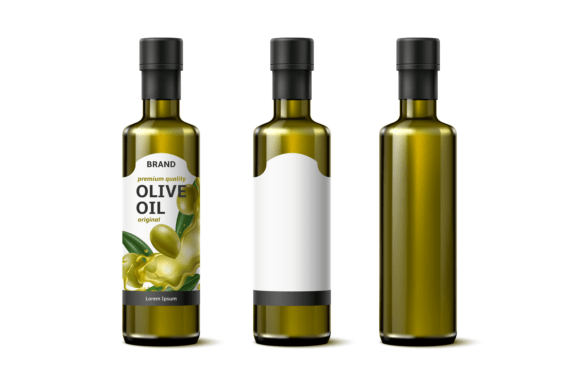
Understanding the distinction and utility of having a Bottle Olive Oil with and Without Label is crucial for effective communication. The unlabeled version acts as a pure vessel, representing potential and authenticity. When you see a clear glass bottle filled with golden-green liquid, isolated against a white background, it speaks to the purity of the ingredient itself. This is often the starting point for packaging designers who need to apply their own branding without the distraction of existing text or logos. It allows them to test how their typography and color palettes interact with the natural curves of the bottle and the viscosity of the oil inside.
Conversely, the labeled version provides immediate context. It transforms the object from a generic ingredient into a specific product ready for the shelf. In 3D blank emblem mockups, the label area becomes a dynamic zone where brands can project their story. For a culinary Greek product, the label might feature traditional motifs, harvest dates, or organic certifications. Having access to both versions within a single vector concept EPS or JPG file set means you can toggle between showing the "hero" (the oil) and the "brand" (the package) depending on the stage of your campaign.
Real-World Applications for Designers and Marketers
For graphic designers, the Bottle Olive Oil with and Without Label is an indispensable resource in the packaging design workflow. Imagine you are working on a rebrand for a boutique olive oil importer. You have a new logo and a fresh color scheme, but you haven't produced physical prototypes yet. Using a realistic isolated element allows you to create photorealistic mockups instantly. You can overlay your design onto the unlabeled bottle, adjusting perspective and lighting to ensure the final look feels tangible. This saves weeks of production time and thousands of dollars in prototyping costs.
Marketing teams also benefit significantly from these assets when creating advertisement cooking objects. Consider a digital ad campaign targeting adults aged 20–50 who value artisanal ingredients. An image of a sleek, unlabeled bottle pouring oil over a salad suggests freshness and versatility. However, switching to the labeled version in the same campaign highlights the specific origin—perhaps a specific region in Greece—and builds trust through established branding. This duality allows marketers to run A/B tests effortlessly, determining whether consumers respond more strongly to the aesthetic of the product or the promise of the brand.
Enhancing Culinary Content and Food Photography
Food bloggers and recipe developers frequently struggle with finding the right imagery that doesn't distract from the dish. A Bottle Olive Oil with and Without Label offers a solution by providing a neutral yet recognizable prop. When photographing a Mediterranean food spread, a branded bottle can sometimes clash with the composition if the logo is too loud or the colors don't match the theme. By using the unlabeled version, photographers can maintain focus on the vibrant greens of the olives, the red of the tomatoes, and the texture of the bread, while still indicating the key ingredient used.
Furthermore, these assets are essential for creating instructional content. In video tutorials or step-by-step guides, having a consistent visual of the oil bottle helps viewers identify the ingredient quickly. If a creator wants to emphasize the quality of the oil rather than a specific commercial brand, the unlabeled bottle serves as a universal symbol. It says, "This is the best oil," without saying, "Buy this specific brand." This neutrality is particularly valuable for platforms that prioritize educational content over direct sales.
Strategic Uses Across Different Industries
- E-commerce Retailers: Online stores selling gourmet foods rely heavily on high-resolution images. The ability to present a product in a 3D blank emblem mockup format ensures that customers get a true-to-life representation before purchasing. Retailers can update labels seasonally or for limited editions without needing new photoshoots every time.
- Restaurant Menus and Branding: High-end restaurants often want to highlight their sourcing. A menu featuring an illustration of a Bottle Olive Oil with and Without Label can subtly communicate a commitment to quality. Chefs can use the unlabeled version to suggest house-made blends or custom selections, adding an air of exclusivity.
- Packaging Manufacturers: Companies that produce bottles and caps need to show clients what their products will look like when filled. Vector concepts allow manufacturers to demonstrate how different shapes and sizes hold the oil, helping clients make informed decisions about volume and presentation.
Navigating Practical Considerations and Limitations
While the utility of Bottle Olive Oil with and Without Label is immense, there are practical considerations to keep in mind before applying these assets to your projects. One of the primary strengths is the flexibility of vector formats like EPS, which allow for infinite scaling without loss of quality. This is critical for large-format printing, such as billboards or trade show banners. However, if you are working with raster images like JPG, resolution becomes a limiting factor. Always ensure that the source file matches your output requirements to avoid pixelation.
Another consideration is the realism of the lighting and shadows. A truly effective isolated element must look three-dimensional. If the lighting on the bottle does not match the environment in which you place it, the result can look artificial and cheap. When using these assets in composite images, pay close attention to the direction of light and the reflection on the glass surface. The golden hue of the oil should interact naturally with the surrounding elements, casting subtle glows or reflections that enhance the overall composition.
Additionally, be mindful of the cultural context. Since olive oil is deeply tied to Mediterranean culture, specifically Greek and Italian traditions, the design language surrounding the bottle should respect these roots. Using a modern, minimalist label on a traditional bottle shape might signal innovation, while an ornate label on a rustic bottle emphasizes heritage. Understanding your audience's expectations regarding these cues is vital. For example, younger demographics might prefer the clean lines of an unlabeled bottle, suggesting transparency and simplicity, whereas older consumers might trust the detailed labeling that conveys history and tradition.
Optimizing Your Workflow with Digital Assets
To maximize the benefits of these resources, integrate them early in your creative process. Don't wait until the final stages of a project to consider how the bottle will appear. Use the blank emblem mockup to experiment with different label materials, textures, and finishes. Does a matte finish convey a more organic feel? Does a glossy label suggest luxury? Testing these variables digitally allows you to refine your vision before committing to physical production.
Furthermore, maintaining a library of these assets in various orientations and angles can streamline your workflow. Having a collection of Bottle Olive Oil with and Without Label images at different perspectives—front view, side view, angled pour—gives you the agility to adapt to different layout constraints. Whether you need a hero image for a website banner or a small icon for a social media post, having the right asset ready ensures consistency across all touchpoints.
Ultimately, the choice between using a labeled or unlabeled bottle depends on the story you want to tell. Are you highlighting the craftsmanship of the packaging, or the purity of the liquid inside? By leveraging the versatility of these realistic isolated elements, you can craft narratives that resonate with consumers, drive engagement, and elevate the perceived value of your culinary offerings. Whether you are designing a new brand or curating a delicious meal, the right visual representation of olive oil can make all the difference.