Spider 3D: Elevate Your Typography
In the crowded landscape of digital design, standing out often requires more than just a bold color palette or a sleek layout. It demands a typographic voice that commands attention and conveys depth without saying a word. Enter Spider 3D, a typeface that moves beyond flat aesthetics to introduce a sense of structure, tension, and dynamic movement. This font is not merely a collection of characters; it is a visual narrative tool designed for creators who want their projects to feel alive, intricate, and strategically constructed.
For designers, marketers, and entrepreneurs, the choice of font sets the tone for an entire brand identity. Spider 3D offers a unique solution by merging the organic complexity of a spiderweb motif with the structural integrity of three-dimensional rendering. The result is a typeset that feels both mysterious and robust, capable of anchoring a project in a world of intrigue while maintaining the clarity needed for effective communication.
The Anatomy of a Dynamic Typeface
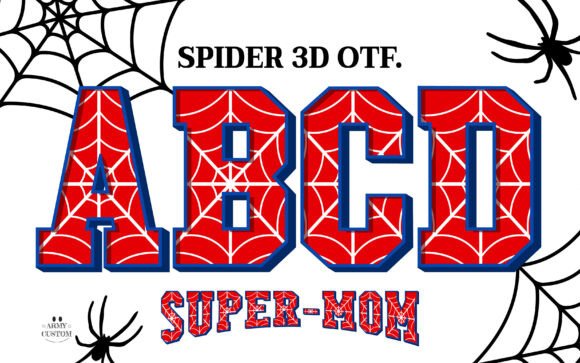
What makes Spider 3D distinct from standard decorative fonts is its underlying architectural logic. While many 3D fonts rely on simple extrusion to create depth, this typeface integrates texture and form directly into the letterforms. The "spider" element is not an afterthought added as a clipart overlay; it is woven into the geometry of the letters themselves. Subtle lines and intersections mimic the tensile strength of a web, creating a visual rhythm that guides the eye across the text.
This approach solves a common problem in modern graphic design: the struggle to make static text feel interactive. In a digital environment where users scroll quickly, a font that implies motion and complexity can pause the viewer. Spider 3D achieves this through contrast. The interplay between the solid, heavy strokes of the letters and the delicate, web-like details creates a focal point that draws immediate interest. For a brand looking to signal innovation or a creative agency aiming to showcase technical prowess, this duality is invaluable.
Furthermore, the three-dimensional aspect adds a layer of realism that flat vectors often lack. When rendered correctly, the lighting and shadow effects inherent in the font's design give the impression that the text is emerging from the screen. This tactile quality is particularly effective in marketing materials where the goal is to make a product or service feel tangible and premium.
Creative Applications Across Industries
The versatility of Spider 3D allows it to transcend niche categories. While its name might suggest a connection to superhero themes or horror genres, its application is far broader when used with intention. Here are several ways different professionals can adapt this font for specific goals:
- Gaming and Entertainment: For game developers and streamers, Spider 3D serves as an excellent title treatment. Its aggressive yet structured look fits perfectly within sci-fi, cyberpunk, or action-adventure genres. It can be used for character names, level titles, or promotional banners to instantly establish a high-stakes atmosphere.
- Tech and Security Brands: The web motif naturally evokes concepts of connectivity, networks, and security. A cybersecurity firm or a software startup could use this font for headlines to subtly communicate the idea of a protective net or a complex, interconnected system. It suggests that the brand is vigilant and structurally sound.
- Fashion and Streetwear: In the fashion industry, typography is often used as a graphic element on apparel. Spider 3D works exceptionally well on t-shirts, hoodies, and accessories where a bold, edgy aesthetic is desired. The 3D effect adds a pop of visual interest that translates well from digital mockups to physical prints.
- Event Marketing: Whether organizing a music festival, a tech conference, or a mystery-themed gala, event organizers need visuals that generate excitement. Using Spider 3D for posters and social media graphics can inject a sense of drama and anticipation, encouraging ticket sales and attendance.
Adapting for Different Audiences
While the font is inherently dramatic, it requires careful adaptation to suit different audience expectations. For a younger demographic, such as Gen Z or Millennials, the full 3D effect and intricate details can be left intact to maximize visual impact. However, for corporate audiences or older demographics, subtlety is key. Designers can reduce the intensity of the shadows or simplify the web motifs slightly to ensure the text remains legible and professional.
Context is also crucial. On a mobile screen with limited real estate, the fine details of the web might get lost. In these cases, it is best to use Spider 3D for short, punchy headlines rather than body copy. By reserving the font for key messages, you maintain its impact without sacrificing readability. Conversely, on large-format billboards or website hero sections, the font can be scaled up to let the intricate textures shine, creating a memorable first impression.
Practical Guidelines for Implementation
Integrating a complex typeface like Spider 3D into a project requires a strategic approach to ensure the final result is polished and effective. Without proper execution, even the most interesting font can become cluttered or difficult to read. To achieve a balance between creativity and functionality, consider the following recommendations.
Prioritize Legibility: The primary function of typography is communication. Always test your designs at various sizes. If the web details obscure the shape of the letters, adjust the spacing (kerning) or reduce the opacity of the texture elements. The goal is for the viewer to recognize the text instantly before appreciating the artistic flair.
Use Contrast Wisely: Spider 3D relies heavily on light and shadow to create its dimension. Place it against backgrounds that provide sufficient contrast. Darker backgrounds often enhance the glowing or metallic feel of the 3D elements, while lighter backgrounds can make the web details stand out if the font color is deep enough. Avoid busy patterns behind the text, as they will compete with the font's own intricate design.
Maintain Consistency: When building a brand identity, consistency is paramount. Do not overuse Spider 3D. Limit its application to headlines, logos, or key visual anchors. Pair it with a clean, sans-serif font for body text to create a harmonious hierarchy. This combination ensures that the boldness of the 3D font does not overwhelm the reader, allowing the message to flow smoothly.
Experiment with Color: While the structural design is fixed, the color palette can transform the mood. Cool blues and silvers can evoke a technological or futuristic vibe, while warm reds and oranges can suggest danger or energy. Neutral tones like charcoal or gold can lend a sense of luxury and sophistication. Experimenting with gradients within the 3D layers can further enhance the depth and realism of the text.
Building a Cohesive Visual Identity
Success in design comes from weaving together various elements into a cohesive whole. Spider 3D acts as a powerful thread in this tapestry, connecting the visual identity of a brand to its core values. Whether you are carving out a new identity for a startup or refreshing an existing campaign, this font offers a way to inject personality and dimension into your work.
The true power of Spider 3D lies in its ability to tell a story before a single word is read. It speaks of complexity, strength, and the art of construction. For the entrepreneur looking to differentiate their business, the marketer seeking to capture attention, or the designer pushing the boundaries of digital art, this typeface provides a versatile foundation. By understanding its strengths and applying it with a clear strategy, you can create designs that are not only visually stunning but also functionally effective.
As you explore the possibilities of this extraordinary web of typography, remember that the best designs are those that serve the audience. Use Spider 3D to elevate your message, but always keep the user experience at the forefront. With careful planning and creative execution, you can spin a web of intrigue that captivates your audience and leaves a lasting impression.