Strategic Applications of Messy Paint Digital Paper for Modern Creators
In the crowded landscape of digital design and physical crafting, the choice of visual assets often dictates the perceived value of a project. Messy Paint Digital Paper represents more than just a decorative background; it is a strategic tool for creators who need to inject energy, authenticity, and texture into their work without sacrificing professional quality. Unlike rigid, geometric patterns that can feel sterile or over-designed, the chaotic yet harmonious nature of messy paint splatters offers a unique aesthetic advantage. For entrepreneurs, educators, and hobbyists alike, understanding how to leverage this specific type of high-resolution printable graphic can transform ordinary outputs into compelling visual statements.
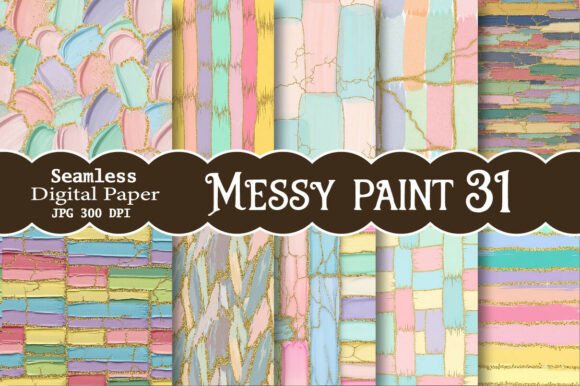
The core utility of Messy Paint Digital Paper lies in its versatility across both digital and physical mediums. Available as high-definition JPG format sublimation graphics, these files are engineered to maintain integrity when scaled up for large prints or down for intricate details like product labels. Whether you are managing a small business brand or curating personal creative projects, the decision to use these seamless textures should be driven by clear objectives regarding audience engagement and brand positioning.
Defining the Strategic Value of Textured Graphics
When evaluating digital assets, it is essential to look beyond immediate aesthetics and consider long-term impact. Messy Paint Digital Paper serves as a powerful differentiator in markets saturated with clean lines and minimalism. The "messy" aspect does not imply disorder in a negative sense; rather, it suggests a human touch, spontaneity, and artistic freedom. This psychological cue can make a brand feel more approachable and a personal project more intimate.
For professionals such as marketers and small business owners, this texture can be instrumental in storytelling. A candle label featuring a chaotic paint splash communicates artisanal craftsmanship and passion, distinguishing the product from mass-market competitors. Similarly, educators using these papers for classroom materials or planners can create learning environments that feel dynamic and less institutional. The strategic application here is about aligning the visual language with the desired emotional response from the end-user.
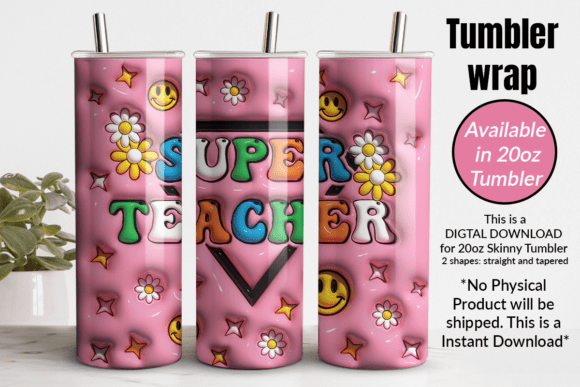
Furthermore, the seamless nature of these digital papers ensures continuity in larger applications. When wrapping a tumbler or designing a website background, the absence of visible seams maintains a polished look even while delivering a raw, expressive vibe. This balance between structure and chaos is where the true value of Messy Paint Digital Paper resides, allowing creators to push boundaries while maintaining professional standards.
Operational Efficiency in DIY and Sublimation Projects
Time management is a critical factor for freelancers and entrepreneurs. Utilizing pre-made, high-quality assets like Messy Paint Digital Paper streamlines the production process significantly. Instead of spending hours creating custom textures from scratch, creators can focus on layout, composition, and messaging. These JPG files are ready for immediate use in sublimation printers, making them ideal for rapid prototyping and small-batch production runs.
Consider the workflow for a creator producing personalized gifts. By integrating these graphics into tote bags, pillows, or notebook covers, the turnaround time from concept to finished product is drastically reduced. The high resolution ensures that even when printed on varied substrates—from ceramic mugs to fabric—the image remains crisp and vibrant. This operational efficiency allows businesses to scale their offerings without compromising on the unique aesthetic that defines their brand identity.
Additionally, the compatibility of these files with various software suites means they can be easily manipulated. Designers can adjust opacity, blend modes, or layer these papers under text to create depth. This flexibility supports a modular approach to design, where a single asset pack can serve multiple purposes, from social media backgrounds to packaging goods. The ability to repurpose assets effectively reduces waste and maximizes the return on investment for every digital purchase.
Targeted Use Cases for Maximum Impact
To derive the most benefit from Messy Paint Digital Paper, one must apply it intentionally within specific contexts. Random application can lead to visual clutter, whereas strategic placement enhances the overall message. Below are key scenarios where this asset proves most effective:
- Product Branding and Packaging: For small businesses selling candles, soaps, or handcrafted items, these graphics add an immediate layer of sophistication. They signal that the product is handmade and unique, justifying premium pricing.
- Personalized Stationery and Journals: Junk journals and scrapbooks thrive on eclectic designs. Using these papers for decoupage or page backgrounds creates a charmingly disordered look that encourages creativity and personal expression.
- Event Materials: Party napkins, plates, and invitations designed with these textures set a festive, energetic tone. They are particularly effective for art-themed events, creative workshops, or casual gatherings where a relaxed atmosphere is desired.
- Digital Presence: Social media backgrounds and website headers benefit from the visual interest these papers provide. They break the monotony of solid colors and help retain viewer attention in a fast-scrolling environment.
- Apparel and Accessories: Tote bags and apparel designs utilizing sublimation technology can leverage these graphics to stand out in a competitive retail space. The bold statements made by these patterns appeal to consumers seeking individuality.
Each of these use cases demonstrates how the right visual asset can solve a specific problem, whether it is enhancing brand perception, increasing engagement, or simplifying the design process.
Decision-Making Framework: When to Apply Texture
While Messy Paint Digital Paper is versatile, it is not a universal solution. Successful implementation requires a thoughtful decision-making process. Before integrating these graphics into a project, ask yourself if the chaotic aesthetic aligns with your current goals. If your objective is to convey stability, precision, or corporate authority, a cleaner, more structured design may be more appropriate.
Consider the context of the final output. For instance, playing cards require high contrast and clarity for readability. While a subtle paint texture might add character, an overly busy background could hinder gameplay. In such cases, the strategy should involve using the paper as a border element or a reverse-side design rather than the primary face of the card. This nuanced approach ensures that functionality is never sacrificed for style.
Furthermore, evaluate the color palette. Messy paint graphics often feature vibrant, clashing colors. To maintain cohesion, ensure that the rest of your design elements—such as typography and other imagery—complement rather than compete with the background. Harmonizing these elements is crucial for a professional result that resonates with the target audience.
Risks of Unintentional Application
One of the primary risks associated with using textured digital papers is the potential for visual noise. Without a clear plan, Messy Paint Digital Paper can overwhelm the content it is meant to support. In marketing materials, if the background distracts from the call to action or key information, the entire effort fails to achieve its purpose.
Another pitfall is inconsistency. Using a highly stylized, messy paint background on one part of a brand's identity while keeping other elements starkly minimalist can create a disjointed user experience. Consistency builds trust; therefore, any introduction of texture should be part of a broader, cohesive design strategy. Creators must ensure that the use of these graphics reinforces their brand voice rather than confusing it.
Finally, there is the risk of over-reliance. While these assets are convenient, relying solely on templates can stifle original thinking. The most successful creators use Messy Paint Digital Paper as a foundation upon which to build unique concepts, not as a shortcut to replace creative direction. Balancing pre-made assets with custom elements ensures that the final output remains distinct and authentic.
Long-Term Value and Creative Growth
Investing in high-quality digital assets like Messy Paint Digital Paper contributes to long-term creative growth. By mastering the manipulation of these textures, designers expand their technical skill set and develop a more refined eye for composition. The process of experimenting with layers, blending, and scaling fosters a deeper understanding of visual hierarchy and balance.
Moreover, these assets offer scalability. As a business grows, the need for diverse marketing materials increases. Having a robust library of versatile digital papers allows for rapid adaptation to new trends and campaigns without starting from zero. This adaptability is a key component of sustainable business operations in the creative sector.
Ultimately, the decision to use Messy Paint Digital Paper should be grounded in a desire to enhance communication and achieve specific outcomes. Whether transforming plain notebook covers into bold statements of style or adding a dash of character to product labels, the goal is always to connect more deeply with the audience. By approaching these tools with intention and strategic foresight, creators can unlock their full potential and deliver results that are both beautiful and effective.