Mastering Polymer Clay Artistry with the Clay Cutter STL – Folk Turtle Earring
In the evolving landscape of digital crafting and handmade jewelry, the convergence of 3D printing technology and traditional polymer clay techniques has created a new paradigm for creators. At the forefront of this innovation is the Clay Cutter STL – Folk Turtle Earring, a digital design that empowers artists to produce consistent, professional-grade components for their work. This tool represents more than just a file download; it is a bridge between the tactile world of sculpting and the precision of additive manufacturing. For professionals, entrepreneurs, and enthusiasts alike, understanding how to leverage such resources is essential for scaling production and refining aesthetic output.
The Intersection of Digital Design and Tactile Craft
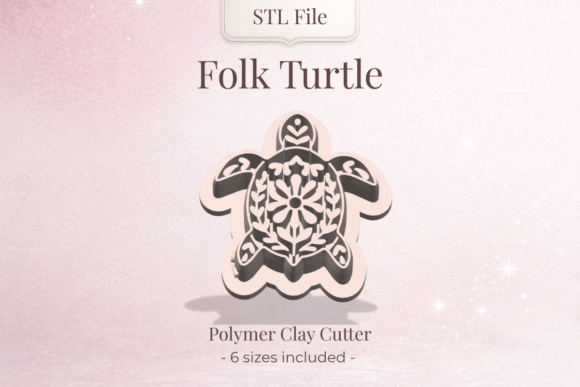
The Folk Turtle design, created by S.I. Originals, exemplifies a shift in how modern artisans approach their workflow. Traditionally, creating uniform shapes in polymer clay required purchasing expensive metal molds or spending hours hand-carving each piece. The introduction of downloadable STL files allows makers to bypass these limitations. By utilizing a standard FDM 3D printer, an artist can generate a custom cutter tailored specifically to their needs. The Clay Cutter STL – Folk Turtle Earring is engineered with a sharp cutting edge and sturdy walls, ensuring that every slice through the clay is clean and precise.
This transition from analog to hybrid workflows addresses a critical pain point in the jewelry-making industry: consistency. In a market where customers expect high-quality, uniform products, the ability to replicate a specific shape dozens of times without deviation is invaluable. The Folk Turtle cutter achieves this by maintaining a strict 0.4 mm cutting edge across all sizes. This precision ensures that the intricate details of the turtle motif remain intact, regardless of whether the creator is making a single pair of earrings or a batch of fifty for an online store.
Empowering Creators Through Scalable Solutions
One of the most compelling aspects of the Clay Cutter STL – Folk Turtle Earring is its scalability. The digital package includes six distinct sizes ranging from 25 mm to 50 mm. This variety is not merely a feature list; it is a strategic asset for business owners and creative studios. It allows a single purchase to serve multiple product lines. A designer might use the 25 mm version for delicate studs, while the 45 mm or 50 mm versions could be utilized for statement pendants or brooches.
For the entrepreneurial maker, this flexibility translates directly into inventory management and cost efficiency. Instead of sourcing multiple physical tools from different manufacturers, a creator can print exactly what they need, when they need it. If a specific size sells out or if a new trend emerges requiring a larger scale, the artist simply adjusts the print settings and produces another cutter. This on-demand manufacturing model reduces waste and capital expenditure, aligning perfectly with the lean startup methodologies favored by modern freelancers and small business owners.
Optimizing the Production Workflow
Integrating the Folk Turtle cutter into a studio environment requires an understanding of material compatibility and print optimization. The design is specifically optimized for FDM 3D printers using PLA or similar filaments. While PLA is generally biodegradable and easy to print, the structural integrity of the cutter is paramount. The design features a robust wall thickness that prevents bending during the cutting process, which is crucial when working with dense polymer clays like Sculpey or Fimo.
Practical experience suggests that the orientation of the print plays a significant role in the final utility of the cutter. Printing with the cutting edge facing down on the build plate often yields the sharpest result, though post-processing may be required to remove support structures near the blade. Once printed, the cutter becomes a durable extension of the artist's toolkit. Unlike metal cutters that can rust or plastic ones that may warp over time, a well-maintained 3D printed cutter offers a balance of rigidity and replaceability.
Market Trends and Consumer Preferences
The rising popularity of designs like the Clay Cutter STL – Folk Turtle Earring mirrors broader consumer trends toward unique, nature-inspired, and artisanal goods. The "folk" aesthetic, characterized by whimsical motifs and organic forms, has seen a resurgence in the fashion and accessory sectors. Consumers are increasingly drawn to pieces that tell a story or evoke a sense of nostalgia and connection to nature. The turtle motif, symbolizing longevity and wisdom, fits seamlessly into this narrative.
Furthermore, the demand for personalized and customizable jewelry continues to grow. Shoppers today often seek items that cannot be found in mass-market retail stores. By using a digital cutter file, artists can offer limited-edition runs or even bespoke sizing options that were previously logistically impossible. This capability allows small studios to compete with larger brands by offering superior customization and rapid response to trending aesthetics.
There is also a growing appreciation for the "maker movement," where the process of creation is as valued as the final product. Many buyers are willing to pay a premium for items known to be crafted by independent artists using innovative methods. When a customer learns that their Folk Turtle earrings were shaped using a custom-designed, 3D-printed tool, it adds a layer of technological intrigue and craftsmanship value to the piece.
Future-Proofing the Creative Business
As the technology behind 3D printing continues to advance, the barrier to entry for high-quality tooling decreases. What was once the domain of industrial manufacturers is now accessible to the individual creator. The Clay Cutter STL – Folk Turtle Earring serves as a prime example of this democratization. It allows artists to focus on their core competencies—design, color blending, and finishing—while relying on digital tools to handle the repetitive task of shaping.
Looking forward, we can expect to see a deeper integration of digital assets in the craft supply chain. Platforms hosting these STL files will likely evolve to include community-driven modifications, allowing users to tweak designs for specific clay types or printing materials. The Folk Turtle design itself may inspire variations, leading to a library of related patterns that share the same technical foundation but offer diverse visual outcomes.
For professionals aiming to stay ahead in a competitive market, adopting these digital workflows is no longer optional; it is a necessity. It enables faster prototyping, reduced overhead costs, and the agility to pivot quickly based on market feedback. Whether you are a seasoned jewelry maker looking to expand your catalog or a freelancer exploring new revenue streams, the ability to produce consistent, high-quality floral and figurative elements is a significant advantage.
Strategic Implementation for Studios
When implementing the Clay Cutter STL – Folk Turtle Earring into a professional studio, consider the following strategic steps:
- Material Testing: Print test cuts using different filament densities to determine the optimal balance between sharpness and durability for your specific clay brand.
- Batch Planning: Utilize the range of sizes (25 mm to 50 mm) to create cohesive collections. Design matching sets that utilize different scales of the same motif to appeal to various price points.
- Inventory Management: Keep a stock of printed cutters for popular sizes to ensure uninterrupted production during peak sales seasons.
- Marketing Narrative: Highlight the custom nature of your tools in your brand story. Explain how the use of 3D printing allows for unique designs that mass production cannot replicate.
The synergy between digital design and traditional craft is reshaping the jewelry industry. Tools like the Folk Turtle cutter provide the precision needed for professional results while maintaining the soulful, handcrafted essence that defines the medium. As creators continue to embrace these technologies, the boundaries of what is possible in polymer clay art will only expand, offering endless opportunities for innovation and expression.